Understanding the Role of a Water Treatment Equipment Manufacturer
Water treatment is critical for maintaining environmental integrity, public health, and overall sustainability in diverse industrial processes. As regulatory pressures increase and the demand for clean water escalates, the role of a Water Treatment Equipment Manufacturer becomes increasingly vital. These manufacturers develop innovative solutions to treat and recycle water, ensuring compliance with environmental standards while meeting the evolving needs of various industries.
What is a Water Treatment Equipment Manufacturer?
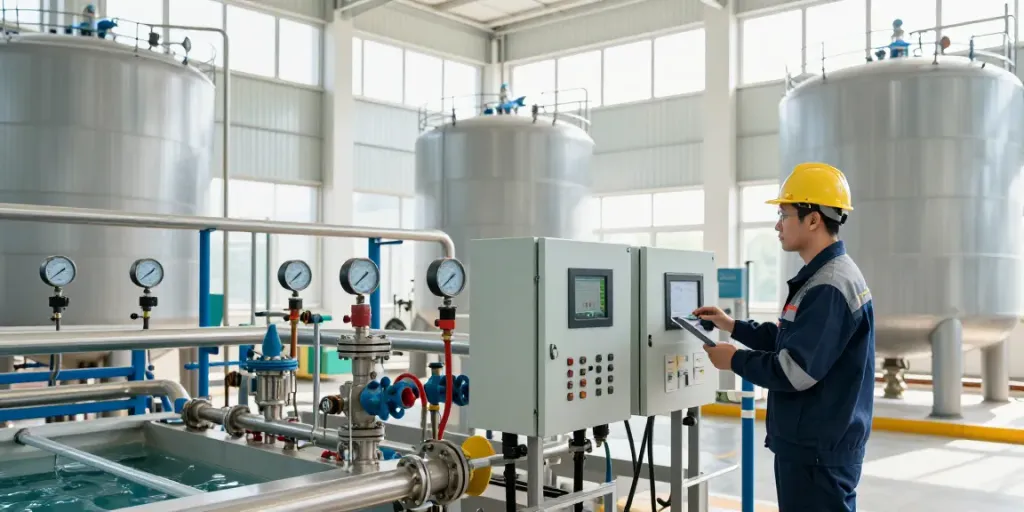
A water treatment equipment manufacturer specializes in creating systems and devices designed to treat wastewater and potable water sources. These manufacturers provide a range of products, including filtration systems, chemical dosing equipment, and modular treatment solutions. Their technology enables businesses to safely and efficiently manage water resources while adhering to environmental regulations.
Importance of Water Treatment in Environmental Protection
The importance of effective water treatment cannot be overstated. It plays a crucial role in mitigating pollution, conserving water resources, and safeguarding ecosystems. Manufacturers design equipment to remove contaminants and excess nutrients from water, helping maintain water quality and promote public health. With the increasing global focus on sustainability, water treatment has become an essential component of environmental protection strategies across industries.
Key Industries Served by Water Treatment Manufacturers
Water treatment equipment manufacturers cater to a wide range of industries, each with unique needs:
- Chemical Industry: Requires advanced filtration and chemical dosing systems to prevent contamination and meet strict discharge regulations.
- Food and Beverage: Needs precise sterilization and purification processes to ensure product safety and compliance with health standards.
- Textiles: Uses water treatment for dyeing and finishing processes, minimizing wastewater generation and reducing chemical usage.
- Municipal Governments: Invest in treatment solutions for clean drinking water and effective wastewater management for urban populations.
- Energy Sector: Requires treatment systems for cooling water, boiler feedwater, and managing wastewater from production facilities.
Innovative Technologies in Water Treatment Systems
As technology advances, water treatment systems evolve to enhance efficiency and sustainability. Innovations in this field address the growing demands for clean water and regulatory compliance.
Advancements in Membrane Filtration Technology
Membrane filtration technology has transformed the way industries manage water. Utilizing semi-permeable membranes, these systems effectively remove suspended solids, bacteria, and even certain chemicals from water sources. The versatility of membrane filters allows for their application in various sectors, including desalination, industrial wastewater treatment, and even residential applications. Techniques such as ultrafiltration (UF) and reverse osmosis (RO) are now commonplace, offering high performance and reliability.
Integrated Chemical Process Systems Explained
The Integrated Chemical Process Systems developed by leading manufacturers provide a seamless solution for chemical dosing in water treatment. By combining sensor technology, intelligent control algorithms, and automated components, these systems ensure precise chemical application. This innovation not only enhances safety and efficiency but also reduces operational costs and minimizes chemical wastage.
Benefits of Automated Water Treatment Solutions
Automation in water treatment processes brings multiple advantages, including:
- Increased Efficiency: Automated systems streamline operations, reducing the time and labor required for water treatment.
- Enhanced Accuracy: Automation minimizes human error, ensuring that treatment processes are executed with precision.
- Data-Driven Decision Making: Automated systems provide real-time data analytics, enabling proactive management of water treatment systems.
- Cost Savings: By optimizing resource use and minimizing waste, automated solutions help reduce overall operational costs.
Best Practices for Selecting Water Treatment Equipment
Choosing the right water treatment equipment can be a challenging process. Companies must assess their unique needs and select solutions that align with their requirements.
Criteria for Choosing Reliable Equipment Suppliers
When evaluating potential water treatment equipment suppliers, consider the following criteria:
- Experience and Expertise: Look for manufacturers with a proven track record in the industry and a strong portfolio of successful project implementations.
- Product Range: Choose suppliers that offer a variety of products and can provide tailored solutions based on your specific needs.
- Compliance: Ensure that the manufacturer’s equipment meets relevant regulatory standards and certifications.
- Support and Service: Assess the level of customer support, including installation services, maintenance, and training.
Evaluating Custom Solutions vs. Standardized Products
Companies often face the decision between custom equipment solutions and standardized products. Custom solutions can be tailored to meet specific requirements, providing higher efficiency and effectiveness within unique operational settings. However, standardized products may offer reliable performance at a lower cost, making them suitable for more common applications. A thorough cost-benefit analysis should be conducted to determine which option aligns best with the operational goals.
Case Studies: Successful Implementation of Water Treatment Systems
Real-world examples highlight the effectiveness of robust water treatment solutions:
- Textile Industry: A large textile manufacturer implemented a membrane filtration system, significantly reducing water usage and contaminant discharge, while also enhancing product quality.
- Municipal Water Treatment: A city's wastewater treatment plant adopted an integrated chemical process system that improved treatment efficiency and reduced operational costs by 30%.
- Food and Beverage: A beverage company utilized automated water treatment systems to enhance efficiency, achieving compliance with health standards and boosting production capacity.
Addressing Common Challenges in Water Treatment
Water treatment manufacturers face several challenges that can impact their operations and solutions provided to customers.
Regulatory Compliance and Environmental Standards
With stringent regulations governing water quality and environmental standards, manufacturers must ensure their equipment meets all compliance requirements. This often involves staying updated on regulatory changes and adapting products accordingly. Regular audits and certifications play a crucial role in this compliance process.
High Costs vs. Budget Constraints: Finding Balance
Maintaining quality while managing costs is a perennial challenge in water treatment. It is essential for manufacturers to balance between high-quality materials that guarantee performance and budget-friendly options that do not compromise effectiveness. Conducting a thorough market analysis can help identify cost-effective yet reliable solutions.
Multi-Scenario Adaptability in Water Treatment Solutions
The ability to adapt water treatment systems for various applications is critical, particularly in industries like industrial manufacturing, which may require diverse treatment solutions. Manufacturers should focus on creating modular systems that can be easily customized to meet varying demands, ensuring flexibility and scalability in operations.
Future Trends in Water Treatment Equipment Manufacturing
Looking ahead to 2026, several trends are poised to shape the landscape of water treatment equipment manufacturing.
Emerging Technologies Shaping the Industry
With advancements in technology, the water treatment industry is seeing the introduction of various innovations, including AI-driven monitoring systems, IoT connectivity, and advanced biodegradable materials. These technologies will enhance decision-making and operational effectiveness, paving the way for a more sustainable future.
2026: Predictions for Water Treatment Equipment Demand
Industry forecasts suggest that the demand for water treatment equipment will continue to grow, driven by increasing environmental concerns and the need for sustainable practices. As industries seek to optimize water use and manage waste effectively, water treatment manufacturers will play an integral role in providing optimal solutions.
The Role of Sustainability in Future Manufacturing Practices
Manufacturers will increasingly focus on developing sustainable products and processes. This includes utilizing eco-friendly materials, reducing carbon footprints, and creating equipment that promotes energy efficiency. An emphasis on sustainability will not only meet regulatory demands but also appeal to environmentally conscious consumers.
What should I look for in a water treatment equipment manufacturer?
When selecting a water treatment equipment manufacturer, consider their industry experience, product range, and commitment to innovation. Look for partners who prioritize sustainability and can offer tailored solutions for your specific needs.
How does membrane technology improve water treatment?
Membrane technology improves water treatment by providing effective filtration capabilities, removing contaminants, and enhancing overall water quality. This technology has become essential for industries requiring high water purity standards.
What are the best practices for water treatment systems?
Best practices for water treatment systems include regular maintenance, compliance with regulations, and the selection of appropriate technology tailored to specific application needs. Continuous monitoring and evaluation of system performance enhance efficiency and reliability.
Which industries benefit the most from water treatment solutions?
Industries such as chemicals, food and beverage, textiles, and energy heavily rely on effective water treatment solutions. Each sector requires specific technologies and approaches tailored to its unique challenges and operational goals.
What trends are shaping the future of water treatment manufacturing?
Future trends in water treatment manufacturing include increased automation, the integration of AI and IoT technologies, and a heightened focus on sustainable practices and materials. These developments will help companies enhance efficiency, reduce costs, and improve environmental outcomes.