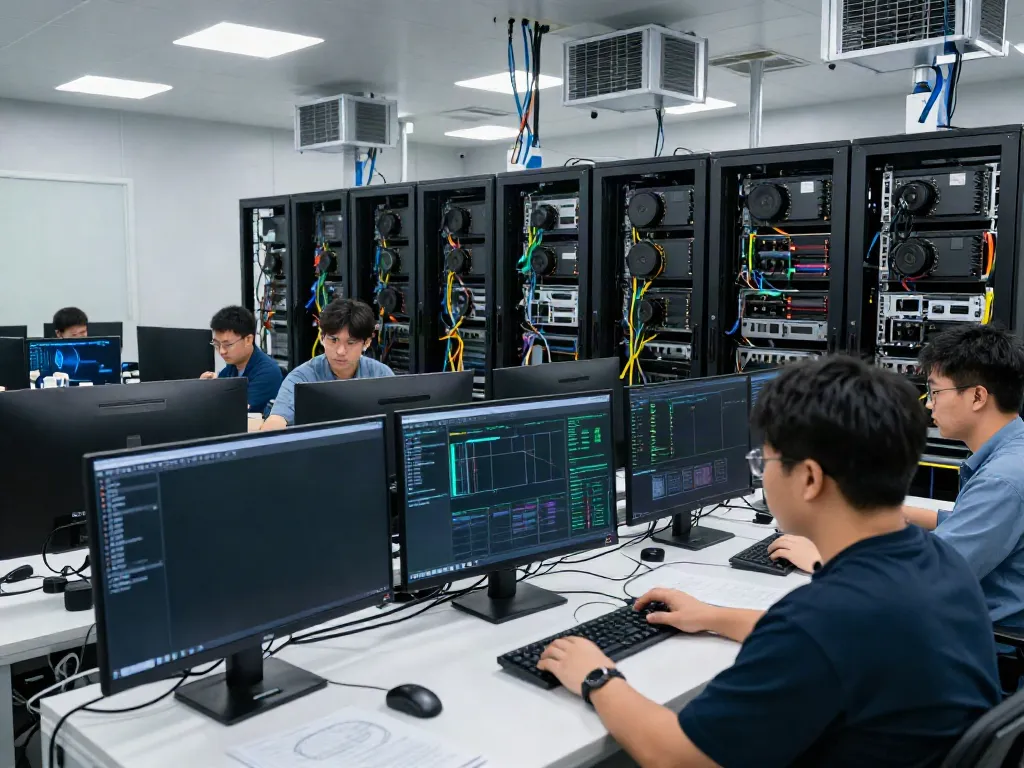
Understanding AI Data Centers: An Introduction
The rapid evolution of artificial intelligence (AI) demands a new generation of data centers, specifically designed to meet the high computational requirements of AI applications. An AI data center is a facility dedicated to supporting the enormous power and processing capabilities required for training, deploying, and maintaining AI models and applications. This article delves deep into what defines an AI data center, the critical role of power in AI infrastructure, and the essential components that make these centers unique.
What Defines an AI Data Center?
AI data centers are distinctly different from traditional data centers, as they are tailored to handle the unique demands of AI workloads. These facilities are equipped with high-performance computing systems that utilize Graphics Processing Units (GPUs) and specialized hardware optimized for machine learning and deep learning tasks. Unlike conventional data centers that primarily rely on CPUs for processing, AI data centers focus on parallel processing capabilities, allowing them to handle large datasets and complex algorithms efficiently.
The Role of Power in AI Infrastructure
Power is the lifeblood of AI data centers. The energy-intensive nature of GPU computing means that reliable and efficient power sources are essential for optimal performance. AI workloads can consume vast amounts of electricity, especially during peak processing times, necessitating robust power management systems to ensure continuous operation without interruptions. The integration of renewable energy sources, such as solar and wind, is becoming increasingly common to mitigate the environmental impact and reduce operational costs.
Key Components of AI Data Centers
- High-Performance Computing Resources: These include GPUs, TPUs (Tensor Processing Units), and high-speed networking technologies tailored for AI model training and inference.
- Advanced Cooling Systems: Given the heat generated by concentrated computing power, AI data centers employ sophisticated cooling solutions to maintain optimal operating temperatures.
- Scalable Storage Solutions: AI workloads necessitate vast amounts of data storage, which require rapid access times and immense capacity.
- Smart Power Management: AI data centers use intelligent systems to monitor and allocate power resources dynamically, ensuring efficiency and reducing waste.
The Importance of Power Plans in AI Operations
Power plans are crucial in sustaining the operational capability of AI data centers. These plans help ensure that the necessary electricity is available when needed, thus supporting uninterrupted processing capabilities essential for AI applications.
How Power Plans Support AI Workloads
Power plans delineate how electricity is allocated to various workloads within AI data centers. By aligning power resources with the needs of GPU-intensive tasks, these plans enhance operational efficiency. Participants can choose from multiple power plans based on their usage patterns, helping to optimize energy consumption while providing the scalability required for AI operations.
Measuring Power Contribution and Rewards
To incentivize participation in the power economy of AI data centers, mechanisms for measuring contributions are implemented. Each participant can track their power input against the AI workloads supported, allowing for the calculation of rewards based on their contribution. This transparent system encourages efficient use of power and promotes a sense of community among users.
Choosing the Right Power Plan for Your Needs
Selecting an appropriate power plan is critical for optimizing performance in AI data centers. Users should consider factors such as the scale of their operations, expected workloads, and financial implications when deciding. Smaller operations might opt for basic power access, while larger enterprises may require enhanced plans to support extensive AI tasks.
AI Data Center Operations: Best Practices
Efficient operation of AI data centers not only hinges on technology but also on implementing best practices that optimize power usage and performance.
Ensuring Efficiency in AI Workloads
Efficiency can be achieved through meticulous monitoring of workload performance and power consumption. By employing advanced analytics, data centers can pinpoint inefficiencies and adjust resource allocation accordingly. Additionally, using machine learning algorithms to predict power needs can further refine operational efficiency.
Scalability and Flexibility Considerations
The ability to scale operations swiftly in response to changing demand is crucial for AI data centers. Implementing flexible power plans allows for adaptability and ensures that resources can be reallocated as needed without compromising performance.
Real-World Examples of Effective AI Data Centers
Leading technology companies like Google and Amazon have established data centers that exemplify best practices in AI operations. These facilities leverage advanced cooling systems, renewable energy, and intelligent resource management to support massive AI workloads while maintaining sustainability.
Challenges and Misconceptions in AI Data Centers
While AI data centers offer substantial benefits, they also face several challenges and misconceptions that need addressing to facilitate broader acceptance and implementation.
Common Obstacles in AI Infrastructure
One significant challenge is the high cost of building and maintaining AI data centers. The requirement for cutting-edge hardware and systems can deter smaller companies from entering the AI market. Additionally, the complexity of managing such operations often necessitates specialized knowledge and resources.
Addressing Myths About Energy Consumption
Another common misconception is that AI data centers are universally energy inefficient. While it is true that AI workloads demand significant power, many facilities are now focusing on energy-saving technologies and sustainable energy sources to counteract this narrative. Educating stakeholders about the advancements in energy efficiency is crucial for dispelling these myths.
Future-Proofing Your AI Data Center Strategy
To remain competitive, AI data center operators must continuously innovate and adapt to emerging technologies. Investing in training for staff, integrating the latest hardware, and implementing best practices for sustainability are all vital aspects of future-proofing strategies.
Future Trends in AI Data Centers for 2026
The landscape of AI data centers is set to evolve significantly by 2026. The following trends are anticipated to shape their future:
Emerging Technologies Shaping AI Infrastructure
Technologies such as edge computing and quantum computing are expected to revolutionize AI data center operations. Edge computing facilitates processing data closer to where it is generated, reducing latency and bandwidth usage, while quantum computing promises to handle complex AI algorithms far more efficiently than classical computers.
Predictions for AI Data Center Growth
As the demand for AI applications grows, so will the need for data centers designed to support these technologies. The market for AI data centers is projected to expand rapidly, driven by advancements in AI capabilities and increased integration into everyday operations across various industries.
Innovative Solutions for Sustainable AI Operations
Sustainable practices will dominate future AI data center developments. Innovations in energy-efficient designs, such as utilizing advanced cooling techniques and integrating renewable energy sources, will become standard requirements for new facilities.
How will AI Data Centers Evolve by 2026?
By 2026, AI data centers will likely become more autonomous, with AI-driven management systems optimizing performance and energy usage without human intervention. Improved power allocation strategies and widespread use of machine learning for predictive maintenance will enhance operational efficiencies and further reduce costs.