Understanding Mini Split AC Systems
In the modern world of heating and cooling solutions, the mini split ac system stands out as an efficient and flexible choice for homeowners and business owners alike. Unlike traditional HVAC systems that rely on ductwork, mini splits offer a ductless design that allows for targeted climate control. This feature makes them increasingly popular for retrofitting in homes lacking existing ductwork, as well as for new constructions looking to maximize energy efficiency. As energy costs rise and environmental concerns take center stage, understanding how these systems work and their benefits can help you make informed choices for your climate control needs.
What is a Mini Split AC System?
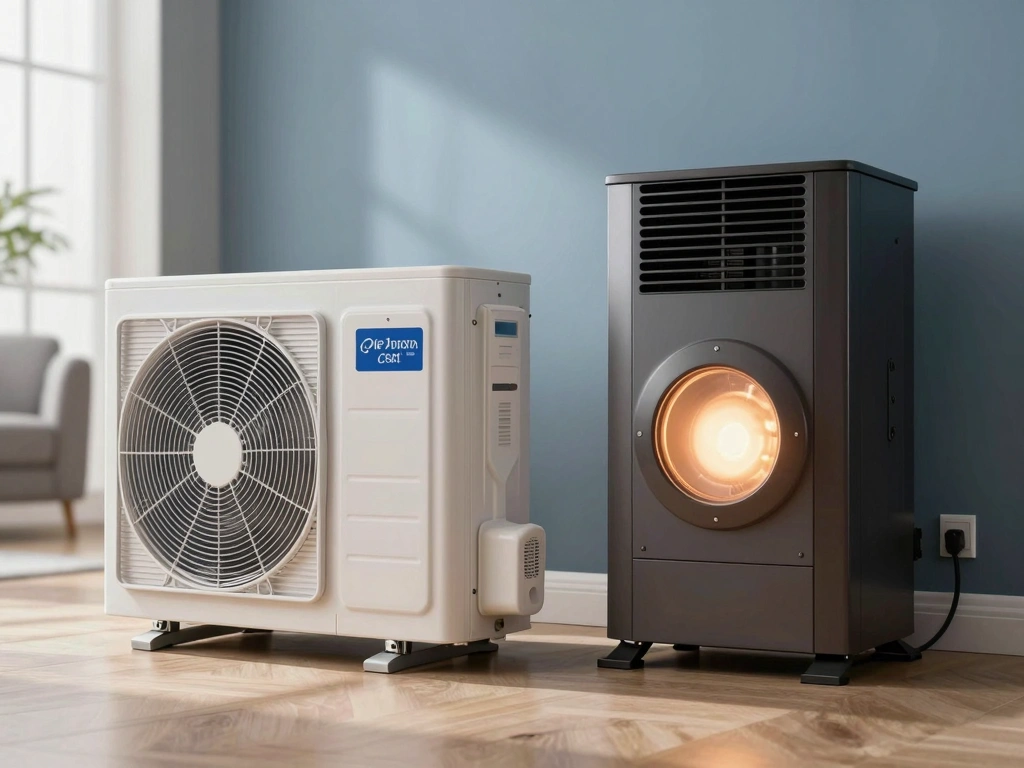
A mini split AC system, often referred to as a ductless mini-split system, is a compact heating and cooling system that allows you to control the temperature in individual rooms or zones. These systems consist of two main components: an outdoor compressor/condenser unit and one or more indoor air-handling units. This separation of components enables the mini split to provide both heating and cooling, making it a versatile option for varying climates. With their sleek design and quiet operation, mini split systems are suitable for both residential and commercial environments.
Key Components of Mini Split Systems
- Outdoor Unit: This component houses the compressor and condenser, which are responsible for expelling heat outside your home.
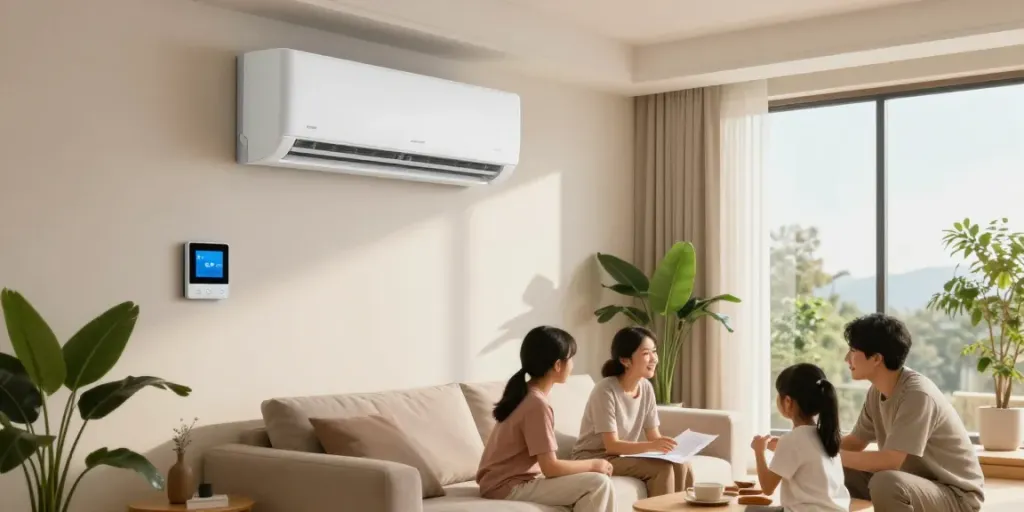
- Indoor Unit: These units come in various styles, including wall-mounted, ceiling-mounted, and floor-mounted options. They distribute conditioned air throughout the space.
- Refrigerant Lines: Insulated pipes that connect the indoor and outdoor units, allowing the transfer of refrigerant, which absorbs and releases heat as it circulates through the system.
- Thermostat: Used for adjusting the temperature and settings of the system, providing ease of use and control over your indoor environment.
How Mini Split AC Systems Work
Mini split systems operate on a heat pump technology principle. In cooling mode, the system removes heat from the indoor air and transfers it outside. Conversely, in heating mode, it extracts heat from the outdoor air and brings it inside, even when the outdoor temperature is quite low. This efficient transfer of heat is made possible through the refrigerant that circulates between the indoor and outdoor units, continuously absorbing and releasing heat.
Common Mini Split AC System Errors
Despite their advantages, mini split AC systems can encounter various errors that affect their performance. Understanding the common issues and symptoms can help you address them quickly and effectively.
Frequent Installation Issues
Proper installation is crucial for the efficiency of a mini split system. Common installation errors include incorrect placement of the indoor unit, inadequate refrigerant charge, and improper connection of electrical wiring. Any of these mistakes can lead to inefficient cooling or heating, increased energy bills, and potential damage to the system itself.
Operational Problems and Symptoms
Users may experience issues such as inconsistent temperatures, unusual noises, or the system not turning on at all. These symptoms can result from problems such as clogged filters, frozen coils, or electrical malfunctions. Regular maintenance and quick response to these symptoms can prevent further complications.
Electrical and Maintenance Errors
Electrical issues can arise from inadequate power supply, faulty connections, or blown fuses. Additionally, lack of routine maintenance—such as cleaning filters and coils—can lead to decreased efficiency and increased wear on components. Keeping up with regular maintenance helps ensure optimal performance and longevity of the system.
Quick Fixes for Mini Split AC Problems
Addressing mini split AC issues can often be straightforward. Here are some quick troubleshooting tips that homeowners can apply.
Installation Troubleshooting Tips
- Ensure the indoor unit is mounted at the correct height and location for optimal airflow.
- Check for any visible refrigerant leaks, which may indicate an improper installation.
- Verify that the thermostat is set correctly and that the batteries are functioning if it's a wireless model.
Simple DIY Maintenance Steps
- Regularly clean or replace the air filters every few months to maintain airflow.
- Inspect the outdoor unit for debris such as leaves or dirt that can obstruct airflow.
- Keep the condensate drain line clear to prevent water damage and ensure proper drainage.
When to Call a Professional
If you encounter issues that are beyond simple troubleshooting—like electrical problems or refrigerant leaks—it’s crucial to contact a professional HVAC technician. They can perform diagnostic checks and repairs that require specialized knowledge and equipment.
Benefits and Considerations of Mini Split AC Systems
While mini split AC systems offer many advantages, there are several factors to consider when deciding whether they are right for your space.
Energy Efficiency and Cost Savings
Mini split systems are known for their high energy efficiency, often rated with SEER (Seasonal Energy Efficiency Ratio) ratings that exceed traditional systems. This efficiency translates to lower energy bills, making them a worthy investment over time. Furthermore, since they allow for zoning, you can cool or heat only the rooms in use, thereby saving energy and costs.
Flexibility and Zoning Capabilities
The ability to channel air into specific areas allows homeowners to maintain different temperatures in various rooms. This zoning capability is particularly beneficial in larger homes or spaces with differing usage patterns. It also leads to a more comfortable living environment, as temperatures can be tailored to individual preferences.
Potential Challenges and Drawbacks
Despite their benefits, mini split systems come with challenges. They can be more expensive upfront than conventional systems, and proper installation is essential to maximize their efficiency. Some users also find the indoor units unappealing, and the aesthetic impact can be a concern for decor-focused homeowners.
Future Trends in Mini Split AC Technology
The landscape of mini split technology is continuously evolving, with innovations emerging to enhance energy efficiency and usability. Here are some future trends to consider.
Innovations in Energy Efficiency for 2026
As technology advances, newer models are expected to feature improved energy-saving capabilities, such as inverter technology that adjusts the compressor speed based on demand. These enhancements aim to optimize performance and reduce energy consumption even further.
Smart Home Integration Trends
As smart home technology continues to grow, integration with mini split systems will become increasingly common. Homeowners will be able to control their systems remotely through apps, adjust settings with voice commands, and monitor energy use in real time—all of which contribute to enhanced comfort and convenience.
Environmental Regulations and Their Impact
With growing environmental concerns, regulations regarding energy use and emissions are becoming stricter. Mini splits, which already operate more efficiently than traditional systems, will likely evolve to meet these regulations, leading to even greener technology in the coming years.
What are the downsides of a mini split AC system?
Despite their benefits, potential downsides include the upfront cost, perceived aesthetic disruption, and the necessity of professional installation. Additionally, in some cases, maintenance can be more involved than traditional systems, requiring a more hands-on approach from homeowners.
What is the typical cost of installing a mini split system?
The cost of installing a mini split AC system can vary widely based on the number of zones, the complexity of installation, and the specific models chosen. On average, homeowners can expect to spend between $3,000 and $5,000 for a complete system installation.
What is a mini split AC system?
A mini split AC system is a versatile and efficient cooling (and heating) solution composed of indoor and outdoor units, allowing for individualized climate control in distinct areas of your living or working space.
Why is my electric bill so high with mini split?
If you notice unusually high electric bills despite using a mini split system, the causes might include insufficient insulation, improper thermostat settings, or the need for maintenance. Regularly checking filters and ensuring the system is functioning efficiently can help mitigate these costs.