Understanding the Importance of Electrical Insulation
Electrical insulation is a critical component in ensuring the safety and efficiency of both residential and industrial electrical systems. With the rapid evolution of technology and increasing reliance on electrical devices, understanding the fundamentals of electrical insulation is more important than ever. The right insulation not only protects against electrical shocks but also enhances the longevity and performance of electrical systems. When exploring options, Situs Super33 provides comprehensive insights into products designed for effective electrical insulation.
What is Electrical Insulation?
Electrical insulation refers to materials that inhibit the flow of electric current. Insulators are used to protect electrical components and users from unintended electrical transfers, enhancing safety and operational efficiency. Common materials for electrical insulation include rubber, glass, and various plastics, each having unique properties that make them suitable for specific applications.
Key Benefits of Using High-Quality Insulation
- Safety: Reduces the risk of electrical shocks and fire hazards.
- Efficiency: Minimizes energy loss and improves the performance of electrical devices.
- Durability: High-quality insulation materials can withstand harsh environmental conditions and wear over time.
- Compliance: Adhering to safety standards and regulations in electrical installations.
Common Insulation Materials and Their Uses
Electrical insulation materials are categorized based on their characteristics and intended use:
- Rubber: Highly flexible and used widely in wire coatings.
- Plastic: Common in many consumer devices, particularly in environmental seals.
- Glass: Used in high-voltage applications due to its excellent insulating properties.
- Ceramics: Commonly used in insulators for power lines because of their durability and heat resistance.
Exploring 3M Super33: A Benchmark in Electrical Tape
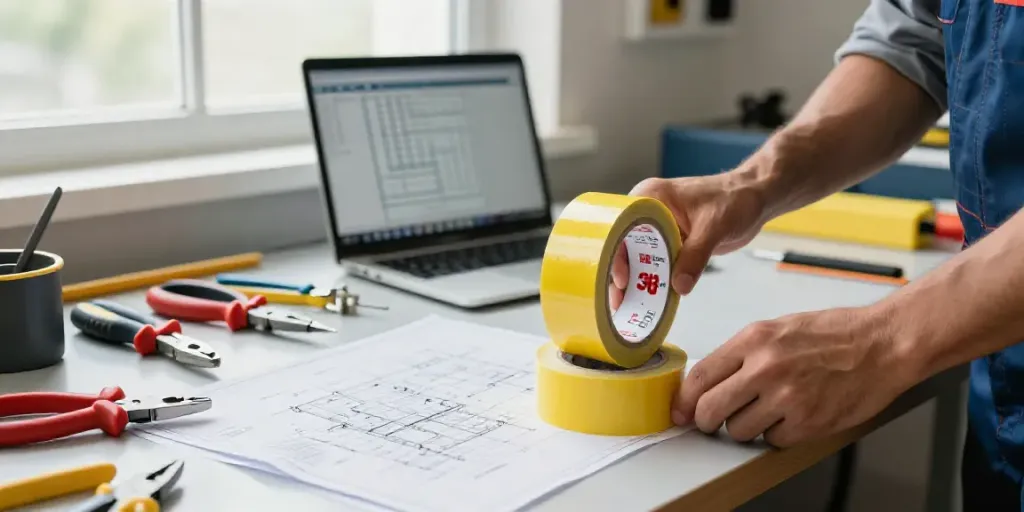
Among the various electrical insulation products, 3M Super33 stands out due to its superior quality and versatility. This professional-grade vinyl electrical tape is designed to withstand extreme weather conditions while providing reliable insulation. Widely used across different industries, Super33 has become a benchmark for electrical tape, ensuring the safety and effectiveness of installations. Its application ranges from household wiring to specialized industrial uses.
Features of 3M Super33 and Its Applications
3M Super33 offers a range of features that contribute to its reputation:
- Durability: Resistant to abrasions, humidity, and UV light, making it ideal for outdoor use.
- Temperature Resistance: Performs well in temperatures ranging from -18°C to 105°C, which is crucial for electrical applications.
- Flexibility: Can stretch up to 250% of its original length, allowing for secure wrapping around complex shapes.
- Adhesion: The tape adheres well to various surfaces, ensuring a strong bond that enhances insulation performance.
Comparing 3M Super33 with Other Brands
When comparing 3M Super33 with other brands, such as Scotch and other generic electrical tapes, it becomes evident that Super33 offers superior performance. For instance, while standard tapes may offer basic insulation, they often lack resistance to moisture and UV light, making them less suitable for outdoor applications. In contrast, Super33's endurance and flexibility provide a more robust solution for both temporary and permanent applications.
Real-World Case Studies Utilizing 3M Super33
Several industries have recognized the advantages of using 3M Super33:
- Construction: Used extensively in electrical installations to ensure lasting insulation in both commercial and residential projects.
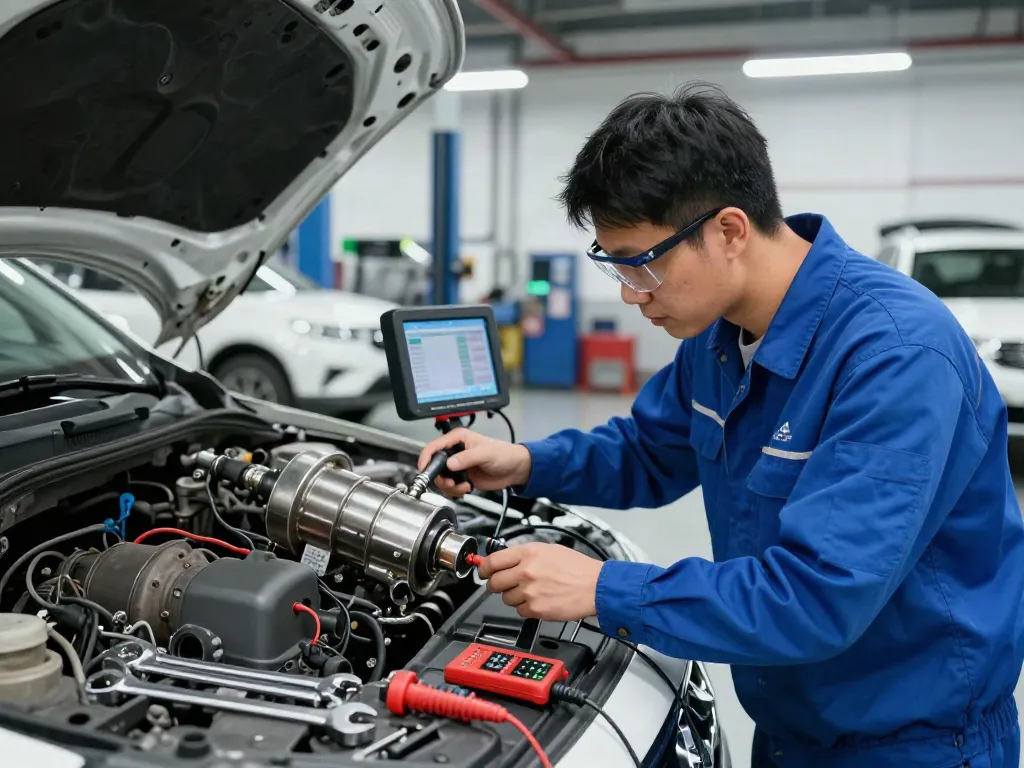
- Automotive: Important for wiring harnesses where durability and resistance to chemicals are required.
- Telecommunications: Provides essential protection for cables in challenging environments.
Installation Best Practices for Effective Insulation
Installing electrical insulation correctly is vital for performance and safety. Failure to adhere to best practices can lead to insulation failure, resulting in electrical hazards. Here are some key installation practices to follow:
Step-by-Step Guide to Installing Electrical Tape
- Prepare the Surface: Clean the area to remove any oils, dust, or debris.
- Unroll the Tape: Use a steady hand to avoid tangles and ensure even application.
- Apply Tension: Stretch the tape slightly as you wrap it around the wire or component to secure a tight fit.
- Overlap Layers: Ensure each layer overlaps by at least half its width for maximum protection.
- Finish Securely: Cut the tape cleanly and press down to secure the end.
Common Mistakes to Avoid During Application
- Insufficient Cleaning: Not cleaning the surface can lead to poor adhesion.
- Improper Tension: Too much tension can cause tape to tear, while too little can lead to gaps in insulation.
- Neglecting Overlaps: Failing to overlap tape adequately can result in compromised insulation.
Expert Tips for Maintaining Electrical Integrity
To maintain the effectiveness of your electrical insulation, consider these expert tips:
- Conduct regular inspections of your insulation materials, particularly in high-usage areas.
- Replace any damaged insulation immediately to prevent potential hazards.
- Invest in high-quality insulation materials that suit your specific applications.
Future Trends in Electrical Insulation Technologies
The future of electrical insulation technologies is promising, with advancements driving improvements in safety, efficiency, and sustainability. As the industry evolves, the following trends are expected to gain momentum:
Innovations in Electrical Tape Manufacturing
Manufacturers are increasingly investing in research and development to create high-performance electrical tapes that are both more effective and environmentally friendly. Innovations may include biodegradable tapes and products that enhance energy efficiency in electrical systems.
Predictions for Electrical Safety Standards in 2026
With the rise in usage of renewable energy sources and electric vehicles, regulatory bodies are likely to update safety standards to meet new challenges. We can anticipate stricter guidelines surrounding electrical insulation materials, emphasizing the importance of durability and safety in all applications.
Emerging Materials and Their Potential Impact
Research into new insulation materials, such as nanomaterials, is expected to revolutionize the industry. These materials could provide superior insulation properties while also being lighter and more flexible, ultimately leading to better energy efficiency and safety in electrical systems.
Frequently Asked Questions
What makes Situs Super33 different from standard electrical tapes?
Situs Super33, developed by 3M, is known for its high-performance characteristics, including superior adhesion, temperature resistance, and flexibility, which standard electrical tapes often lack. This makes it ideal for a broader range of applications.
How can I maximize the performance of insulation tape?
Maximizing the performance of insulation tape involves proper installation, ensuring clean surfaces, and using the tape within its specified temperature and environmental limits. Following manufacturer guidelines is essential for optimal results.
What industries benefit the most from using high-quality electrical tape?
Industries such as construction, automotive, telecommunications, and renewable energy heavily rely on high-quality electrical tape for both safety and performance in their electrical systems.
Are there any safety concerns with using electrical tape?
While electrical tape is generally safe, improper use can lead to dangerous situations. It's essential to follow installation guidelines and choose the right type of tape for your specific application to mitigate risks.
What are the best practices for storing electrical insulation materials?
To maintain the integrity of electrical insulation materials, store them in a cool, dry place away from direct sunlight. Ensure that materials are kept sealed and organized to prevent damage and ensure easy access when needed.